Thought Leadership Series: NeuroHope Panel Discussion
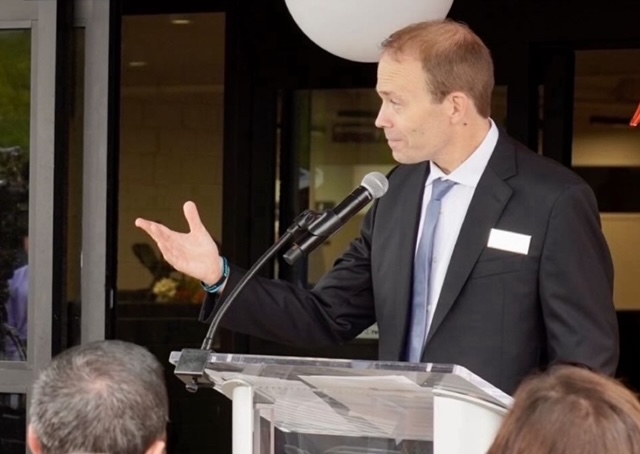
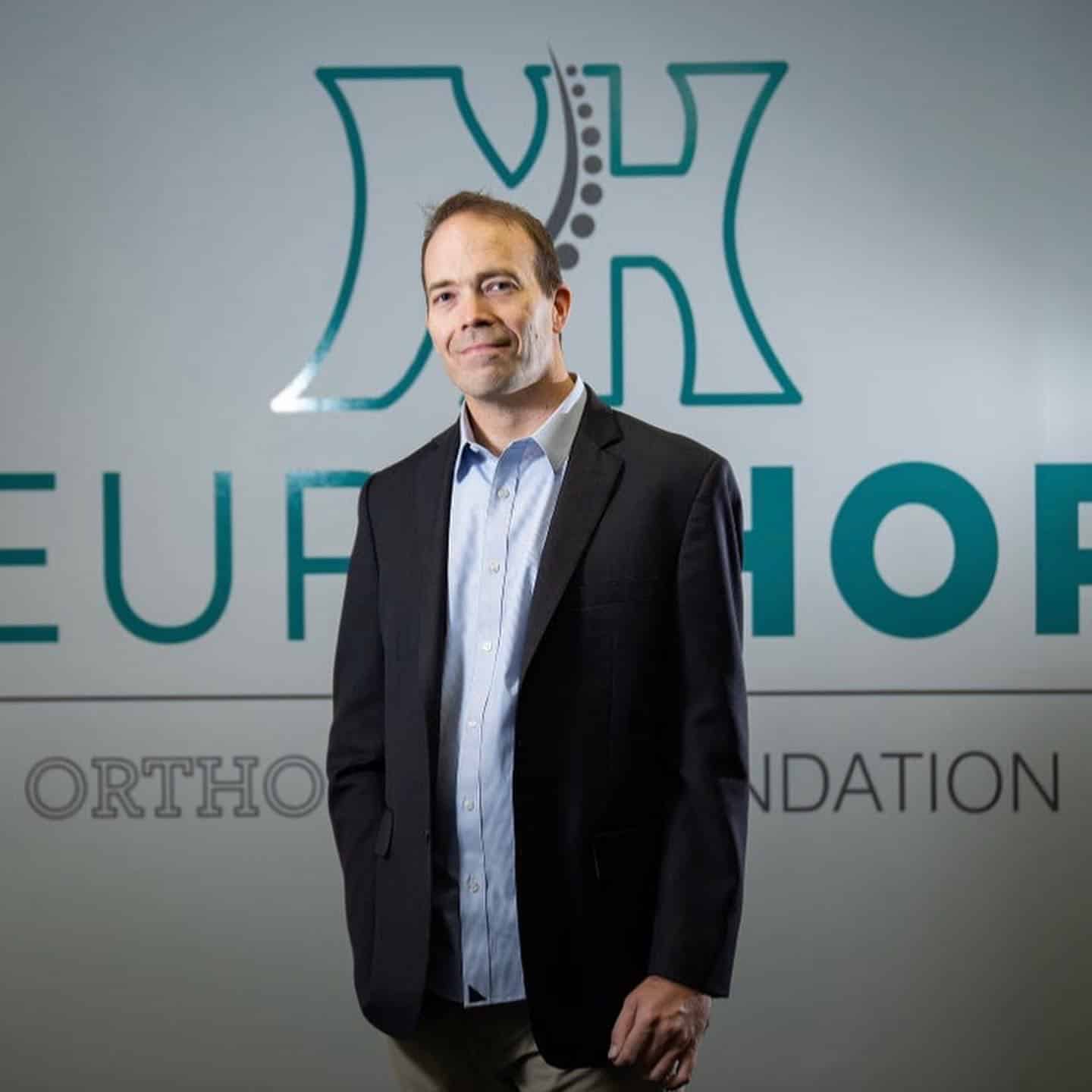
In the Indianapolis Business Journal’s Thought Leadership roundtable, NeuroHope Founder and CEO Chris Leeuw discusses some of the biggest challenges facing Indiana’s health care system, the causes of those challenges, and possible solutions.
Q: What are the significant trends or risks that businesses and policymakers should know in Indiana’s health care landscape?
Chris Leeuw: Health care costs are rising, reimbursement rates to providers are falling, and the health of Hoosiers is deteriorating. This all translates to higher premiums for self- and employerbased plans, which are expected to increase by 9% next year. These trends underscore the complexities of our health care system and its unfortunate, paradoxical nature. As the cost of care goes up, the very benefits and access that would keep high-risk people healthy become more restricted, and overall health declines. Indiana is among the 10 unhealthiest states in the country (based on rates of diabetes, heart disease, obesity, and high blood pressure). The cost of delivering health care to our community is the highest in decades. This is no secret to policy makers. Their difficult task is to align cost control with outcomes that are effective and sustainable.
Q: What are the challenges that private practices face in today’s health care climate?
Chris Leeuw: All health care providers are navigating flat or declining reimbursements from payors as the cost of care rises—but private, outpatient practices that operate outside larger hospital contracts feel the most pressure. In the world of physical therapy, for example, when adjusted for inflation, reimbursement rates have dropped more than 25% over the last five years, while administrative costs have increased.
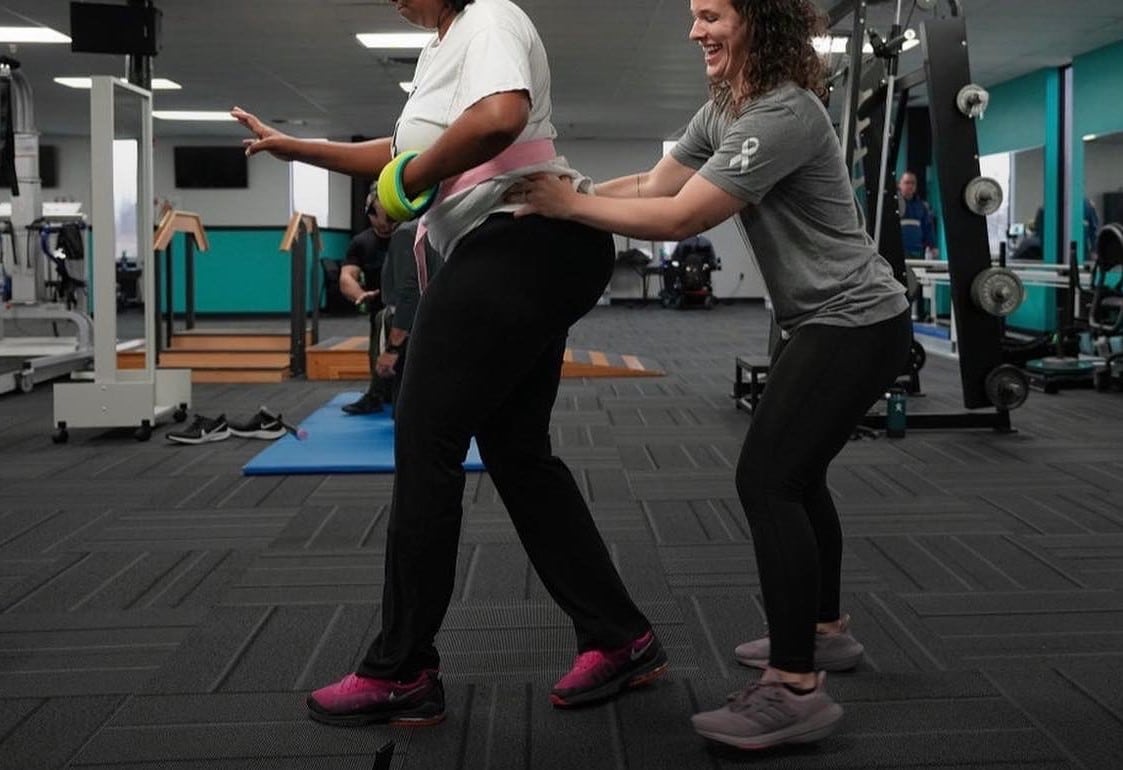
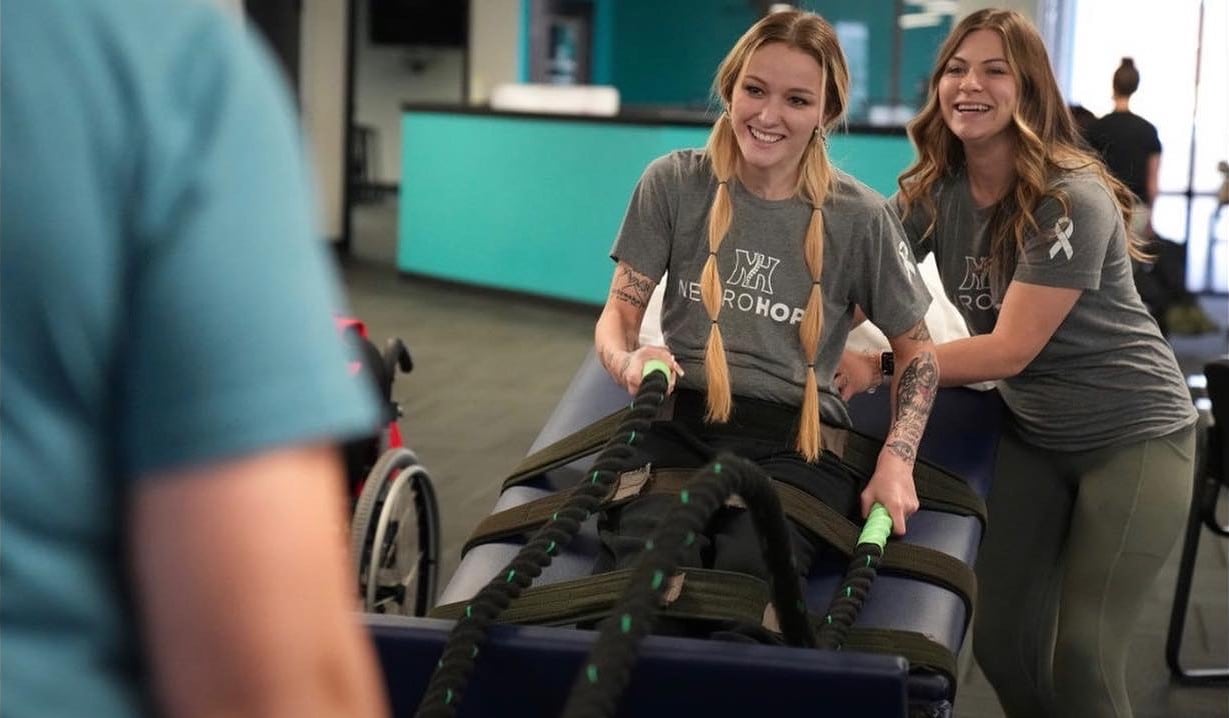
As clinicians are pressured to maximize financial productivity, quality of care can diminish. This is the crux of why NeuroHope was created—to ensure that the highest standard of care for high-cost patients is affordable and accessible.
We can’t “fix” health care without bringing the focus back to patients and investing in the tools and strategies that keep them healthy.
Q: How are changes in health policy affecting hospitals and outpatient clinics?
Chris Leeuw: Changes in Medicaid funding at both the federal and state level are at the forefront. Medicaid enrollment for disabled and low-income Hoosiers has doubled over the last five years, and costs have grown by $5 billion in the same timeframe—far outpacing revenue growth. Federal funding covers 2/3 of the cost, so federal cuts will impact the state’s ability to make up the gap. Hospitals and providers relying heavily on Medicaid as a critical revenue source may feel the pressure and stress of policy changes, but I fear that it will be the patients in need who will ultimately be the most affected.
Q: How are factors like rising costs and flat reimbursements affecting service delivery?
Chris Leeuw: Salaries, supplies, and technology expenses continue climbing, but payments from Medicare, Medicaid, and insurers have stayed stagnant; reimbursement from many services have even declined. It is a squeeze that forces hospitals and clinics to make tough choices: cutting staff or reducing services. Patients feel the impact through longer wait times, shorter visits, and restricted access to specialized care. The tension between costs and reimbursements is reshaping how, where, and even whether care is delivered.
Q: Workforce shortages in health care, especially in rural areas, seem to be a growing issue. How does that affect access?
Chris Leeuw: Health care leaders and policy makers are aware that Indiana is dealing with a physician shortage as we struggle to maintain and recruit health care professionals to our state. Rural areas, already hit by Medicaid policy changes, feel the labor shortage the most. Appointments take longer to secure, emergency rooms face staffing gaps, and in some cases, people simply go without the treatment they need, which deepens existing health disparities and places added pressure on already stretched providers.
Q: How is technology enhancing health care efficiency, and where does it fall short?
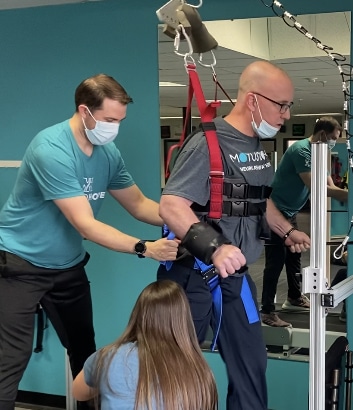
Chris Leeuw: We live in an exciting and rapidly evolving time when technological advancements are reshaping health care delivery. There is also irony. In some cases, as technology advances, patient access to state-of-the-art resources becomes more difficult. In the world of neurorehabilitation, for example, robotic exoskeletons, electrical stimulation devices, and novel surgical implants
are proving to be effective and coming to market, but high price tags and hesitancy by insurers to cover care turn restrictive.
Health care access needs a paradigm change. That’s what we are delivering on a small scale at NeuroHope.
Q: Which populations in Indiana are uniquely at risk for poor health, and what initiatives can address these challenges?
Chris Leeuw: Unfortunately, Indiana’s population has a higher rate of obesity, diabetes, and high-blood pressure than the national average. We also fall within in the U.S. “stroke belt,” where the population is 30% more likely to suffer a stroke than other areas of the country. Lower-income households that may have a more difficult time accessing healthy food are a primary focus, but
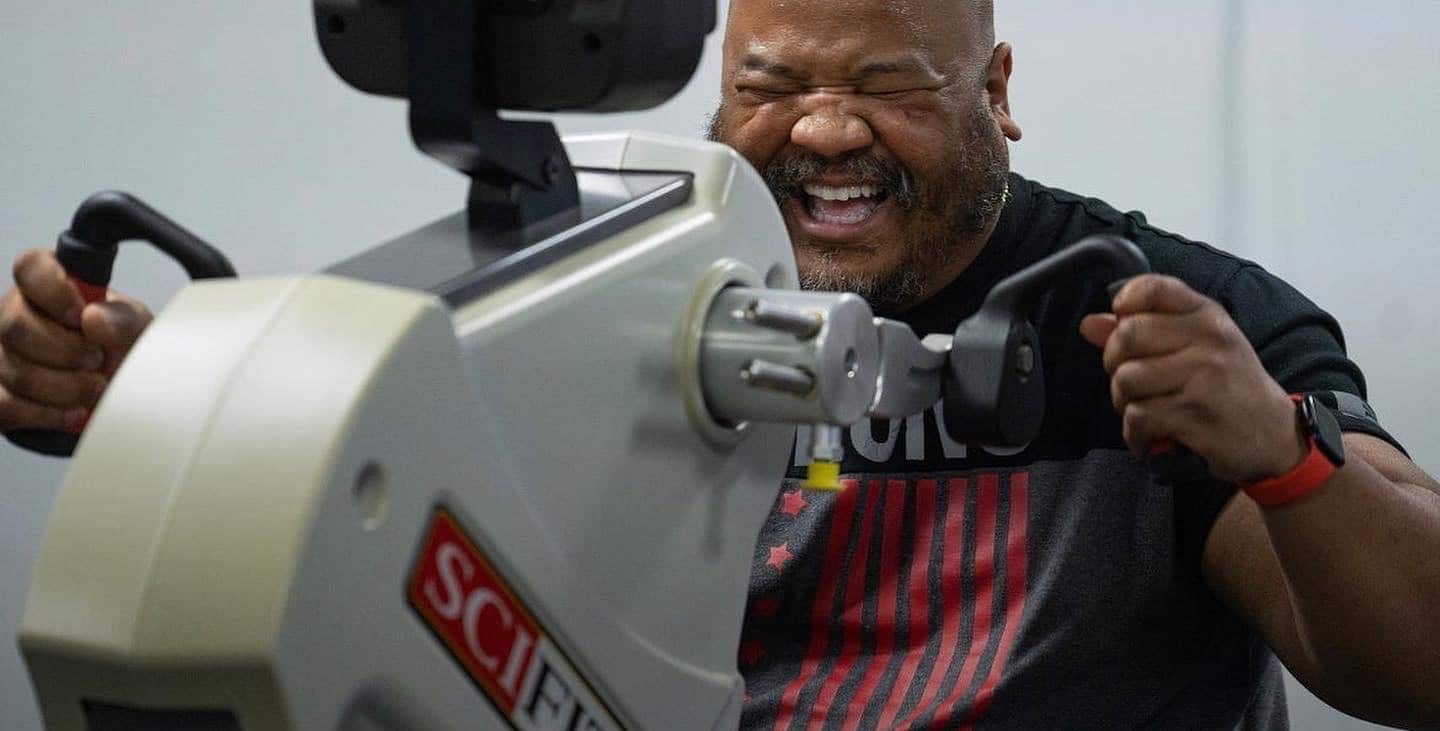
the disabled population—who often are isolated, more sedentary, and less active—are overlooked everywhere. One in four people living with paralysis nationwide are admitted to the hospital at least once a year due to complications from inactivity.
At NeuroHope, we recently completed a two-year study with the University of Indianapolis through Indiana CTSI tracking the health and
hospital readmittance for people with neurologic conditions who have access to extended care, personal training, and adaptive fitness classes.Our study found hospital readmittance was 50% less than the national average, and hospital length of stays were one-third as long. It’s a subset of some of the most vulnerable, high-cost patients in the health care system, and it paints a picture of the value that can come along with access to proper preventative care.
Read the full article in the Indianapolis Business Journal with additional panelist, Care Source Indiana President Dr. Cameual Wright, here: IBJ Thought Leadership Article_Sept2025